$300 Whitening for a Cause

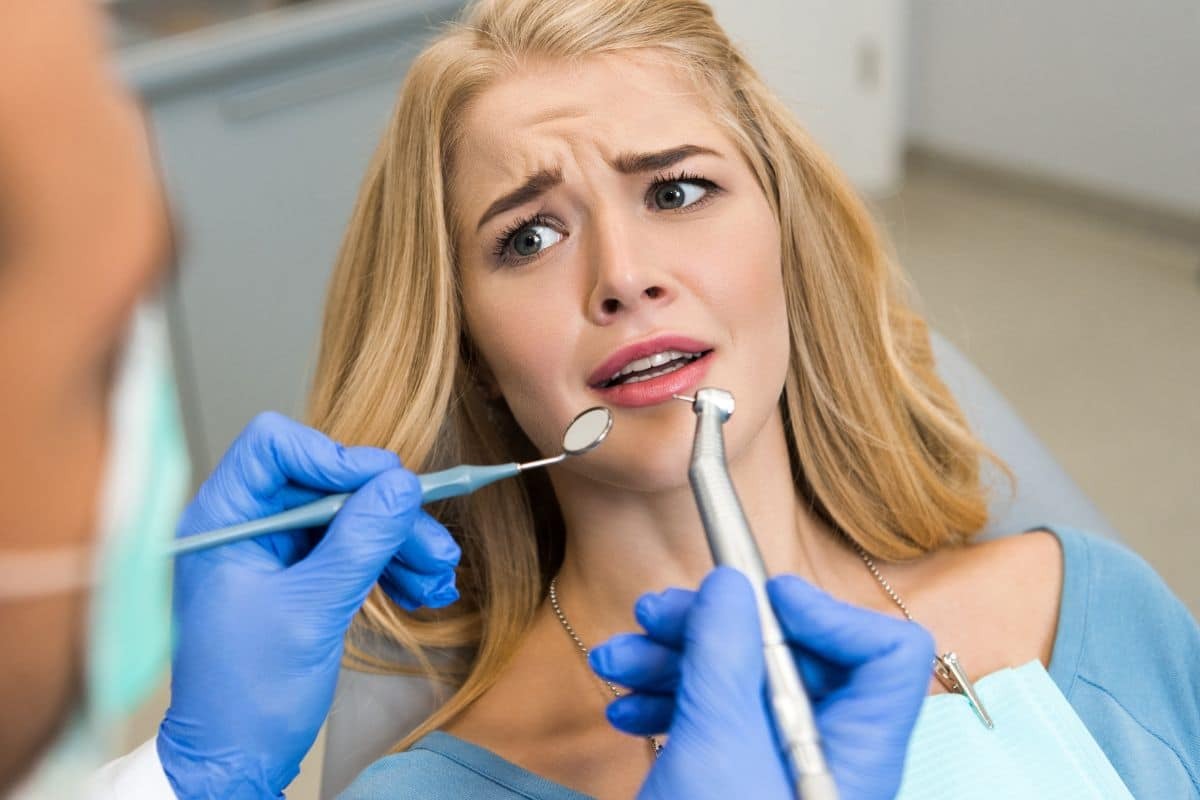
A toothache can range from mild discomfort to intense pain that affects your daily life. In Reno, many people wonder whether their symptoms can wait for a routine dental appointment or require immediate care. While some toothaches may be temporary, others can indicate infections, injuries, or serious dental conditions that should not be ignored. Recognizing the warning signs of a dental emergency can help you seek timely treatment and protect your long-term oral health.
Warning Sign 1: Severe or Persistent Tooth Pain
Tooth pain that continues for more than a day or becomes increasingly intense may signal an underlying dental problem. Cavities, infections, cracked teeth, or inflammation inside the tooth can all lead to persistent discomfort that requires professional evaluation.
Rather than relying on temporary relief, scheduling a prompt dental examination helps identify the source of the pain and prevents the condition from becoming more serious.
Pain That Affects Everyday Activities
If tooth pain makes it difficult to eat, sleep, work, or concentrate, it is important to have it evaluated as soon as possible.
Warning Sign 2: Swelling Around the Tooth or Face
Swelling involving the gums, jaw, or face may indicate an infection or inflammation that requires immediate attention. Dental infections can spread if they are left untreated, making early care especially important.
Patients seeking an emergency dentist in Reno should not ignore swelling accompanied by tenderness, redness, or increasing discomfort. Prompt treatment helps determine the cause and reduce the risk of further complications.
Swelling Should Never Be Ignored
Facial or gum swelling often signals that your body is responding to an underlying dental problem that needs professional evaluation.
Warning Sign 3: A Cracked, Broken, or Knocked-Out Tooth
Dental injuries may occur during sports, falls, or unexpected accidents. A cracked or broken tooth can expose the inner structures of the tooth, increasing the likelihood of pain and infection.
If a permanent tooth is knocked out, handling it carefully and seeking immediate treatment provides the greatest opportunity for successful care. Visiting an emergency dentist in Reno promptly can help protect the injured tooth and surrounding tissues.
Book an appointment immediately if you experience a dental injury to improve the chances of preserving your tooth.
Immediate Care Can Make a Difference
Prompt treatment following dental trauma helps preserve tooth structure and reduces the likelihood of additional complications.
Warning Sign 4: Sensitivity That Continues or Worsens
Brief sensitivity to hot or cold foods is common for some people, but ongoing or increasing sensitivity may indicate tooth decay, enamel damage, or irritation affecting the inner portion of the tooth.
If the discomfort remains after the source of temperature has been removed or becomes more noticeable over time, it is important to schedule a dental evaluation.
Persistent Sensitivity Deserves Attention
Changes in tooth sensitivity may be an early sign of a developing dental concern that benefits from timely care.
Warning Sign 5: Fever or an Unpleasant Taste in the Mouth
A toothache accompanied by fever, swollen lymph nodes, or a persistent unpleasant taste may indicate a dental infection. These symptoms should never be ignored because infections may spread beyond the affected tooth if left untreated.
When you visit our dental office in Reno, your dental team will perform a thorough evaluation, determine the cause of your symptoms, and recommend the most appropriate treatment to restore your oral health.
Prompt Treatment Protects Your Health
Seeking professional care early helps relieve discomfort, manage infection, and support better long-term oral health.
Know When to Seek Emergency Dental Care
Not every toothache requires urgent treatment, but severe pain, swelling, dental injuries, persistent sensitivity, and signs of infection should always be evaluated promptly. Receiving timely care can help protect your teeth and prevent more serious complications. Contact us today if you are experiencing a dental emergency and need prompt professional care.
Frequently Asked Questions
1. How do I know if my toothache is a dental emergency?
A toothache accompanied by severe pain, swelling, fever, trauma, or persistent discomfort should be evaluated by a dental professional as soon as possible.
2. Can a dental infection become serious?
Yes. If left untreated, a dental infection may spread to surrounding tissues, making prompt treatment important.
3. What should I do if my tooth is knocked out?
Handle the tooth by the crown, avoid touching the root, keep it moist if possible, and seek emergency dental care immediately.
4. Is facial swelling always a dental emergency?
Facial or gum swelling may indicate infection or inflammation and should be evaluated promptly by a dental professional.
5. Can a cracked tooth heal on its own?
No. A cracked tooth should be examined by a dentist to prevent further damage and reduce the risk of infection.
6. Why is my tooth suddenly sensitive to hot and cold foods?
Persistent sensitivity may be caused by enamel wear, tooth decay, or irritation affecting the inner portion of the tooth and should be professionally evaluated.
7. What happens during an emergency dental appointment?
Your dentist will examine the affected area, identify the cause of your symptoms, recommend appropriate treatment, and help relieve your discomfort while protecting your oral health.